RECEPTION HISTORIES SUBTERRANEAN AUDIENCES

CULTURE AFTER RELEASE

Cult cinema is defined by what happens when the theater lights come up. It is the story of commercial outcasts, baffled studio executives, and audiences who seized films and built subcultures in their honor.

The Mechanics of Audience Reclamation

When a movie opens to lukewarm box office returns, standard commercial logic declares it dead. Yet cult classics obey an inverted timeline. The Elgin Theater in New York and the Nuart Theatre in Los Angeles popularized the midnight circuit during the 1970s, turning screenings into communal rituals where repeat viewing transformed unfamiliar rhythms into shared language.

What makes a true cult object? It is never cynical camp or intentional irony engineered to become a meme. It is unwavering, idiosyncratic commitment to a singular creative vision that mainstream distributors had no framework to market.

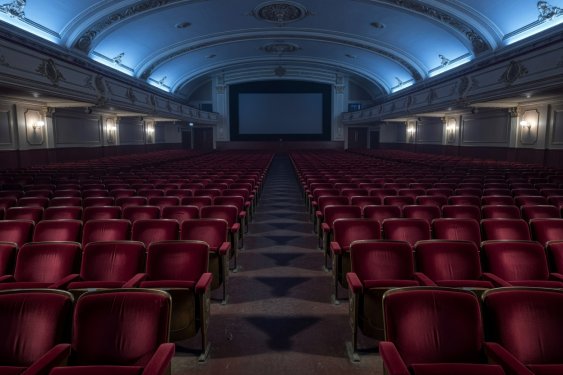
Sweeping perspective of vintage cinema auditorium velvet seats under ambient blue light
The revival house auditorium: where solitary viewing turns into community tradition.

Three Unorthodox Cult Paths

Japanese Avant-Garde 1977

Hausu (House)

Director Nobuhiko Obayashi asked his eleven-year-old daughter for story ideas to counter Hollywood disaster movies like Jaws. The result features carnivorous pianos, floating heads, and painted lightning bolts. Dismissed by Toho executives upon debut, it found global reverence three decades later through repertory circuits.

British Satire 1987

Withnail and I

Bruce Robinson’s semi-autobiographical chronicle of two unemployed actors enduring the end of the 1960s in Camden Town flopped in American cinemas. Its razor-sharp, literary dialogue became memorized gospel among university students and independent theater groups worldwide.

Eerie Americana 1971

Messiah of Evil

Directed by Willard Huyck and Gloria Katz, this coastal California nightmare blends supermarket surrealism, art gallery paranoia, and muted synth drones. Ignored in drive-ins under retitled exploitation banners, it now stands as an essential bridge between American gothic and European art horror.

Reception Timeline: How Cult Status Evolves

Year 0: Commercial Rejection

The film is dumped into off-peak release windows or drive-in double bills without promotional support. Mainstream critics evaluate it against standard genre formulas and find it deficient.

Year 5–10: The Tape & Midnight Underground

Word of mouth begins among video rental clerks, fanzine writers, and late-night programmers. Dubbed VHS tapes or rep-house double features ignite passionate discussions.

Year 20+: Curatorial Canonical Restoration

Major preservation institutions scan original camera negatives, releasing critical editions with scholarly essays. The film is officially reassessed not as a curio, but as a formal breakthrough.